
Where to Eat on Kopaonik: Ski Huts, Grills and Après-Ski
Where to eat on Kopaonik in winter: ski huts by lift station and height, hotel restaurants in the centre, après-ski bars and how to time a ski-day lunch.
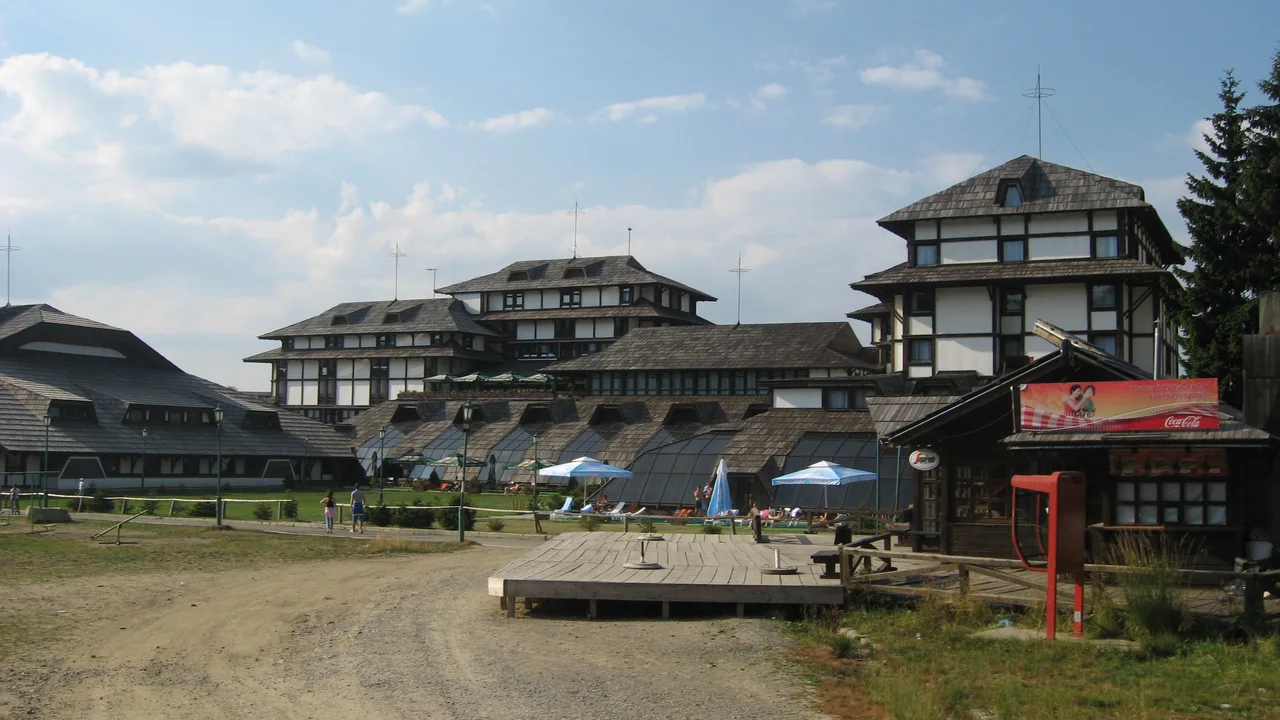
Eating on Kopaonik is mostly a question of which lift you stand next to at lunch. At the top of the Karaman lifts, around 1,900 m, there are two huts with open fires; at Mali Karaman a log hut and a hotel grill share the lift; dinner moves to the hotel restaurants in the centre. The names come from the skiresort.info directory, because Skijališta Srbije’s pages describe lifts and runs and leave the menus to the huts. Prices are left out on purpose: the huts set them each winter, and a menu price quoted before the 2026-27 season opens is most likely last season’s.
Three ways to eat on the mountain
On the slopes. Huts sit beside the upper and middle lift stations, and you ski to them. The listings describe grilled regional dishes, open fires and mulled drinks.
In the centre. The hotel restaurants around the main square are for a sit-down dinner after the lifts close. They’re also where an evening on the mountain goes on, because the centre is where the beds are; where to stay in Kopaonik shows how the centre, Brzeće and the weekend settlement compare.
Below the ski area. The resort portal’s own price survey makes one point plainly: tables outside the ski area cost less than those on the pistes and in the centre. That’s why a car or the ski bus matters if you plan to eat cheaply: konobas and restaurants away from the pistes mostly open for the ski season, so call the restaurant or your hotel before you drive, and avoid an empty dining room at nine in the evening.
Huts by lift station
The directory skiresort.info lists 28 mountain restaurants and huts across the ski area. It’s an undated review site, not the operator, so use the names and heights to find your way, and check opening on the day. These are the ones it describes in detail, grouped by where they sit:
- Top of the Karaman lifts (about 1,900 m). Nije Dugme at the Karaman mountain station, at 1,905 m, has a large fireplace and a bar, regional dishes, creative cocktails and sun loungers outside. Vučja staza, at 1,900 m beside it, is the rustic one, with regional food cooked over an open fire.
- Mali Karaman (about 1,735 to 1,780 m). Brvnara Mali Karaman, at the valley station at 1,735 m, is a log hut with an open fireplace, home-style dishes and local drinks such as cooked rakija and mulled wine. Odžaklija, in Hotel Rtanj at the Mali Karaman chairlift at 1,780 m, serves grilled regional specialities, with a dry-aged beef display and a wine list.
- Jaram (1,790 m). Kljunac Jaram, at the valley station of the Jaram drag lift, grills regional specialities; the listing singles out the suckling pig, and there are deck chairs outside.
- In the centre (1,720 m). La Pista at Hotel Gorski is an à la carte Italian restaurant with pizza, pasta and risotto at the foot of the slopes. Pique Ski Bar sits at the Viceroy, and Bongiorno also stands at the foot of the slopes.
That list isn’t a ranking, and the order isn’t a recommendation: it’s a spread of the kinds of place you’ll choose from. The listings give sun loungers to Nije Dugme and deck chairs to Kljunac Jaram, the pick for a long, sunny lunch; the fireplace and cooked rakija at Brvnara Mali Karaman suit a short warm-up.
Après-ski, honestly
The listings point to a few places built for the hour after the lifts close. Nije Dugme is praised for its cocktails and its sunny terrace, the directory calls Pique Ski Bar at the Viceroy an exclusive stop with good drinks, and the hotel bars in the centre fill up as the slopes empty. A listing can’t tell you the mood on a given night, and that changes with the calendar. The Serbian school holidays, dated in Belgrade to Kopaonik, are the busiest weeks on the mountain, so in those weeks book a table a day ahead rather than walking in. Outside them, a midweek evening suits a long, unhurried dinner.
Reading the menu
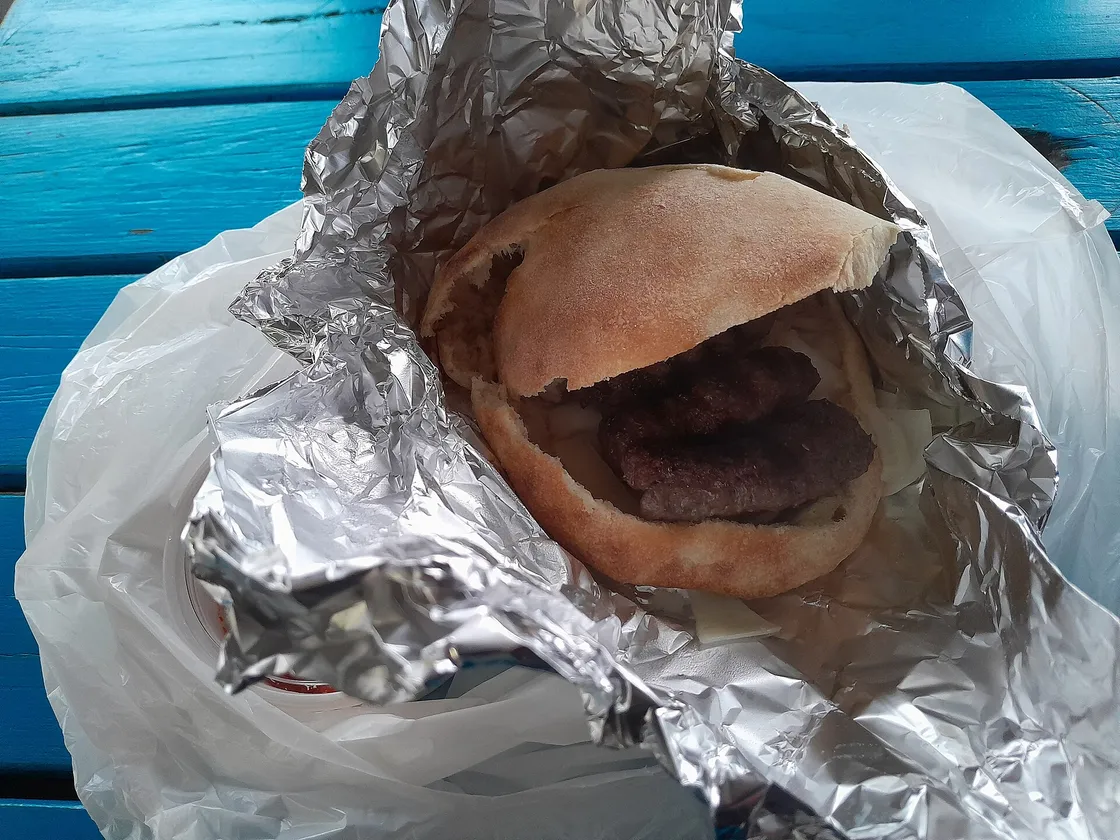
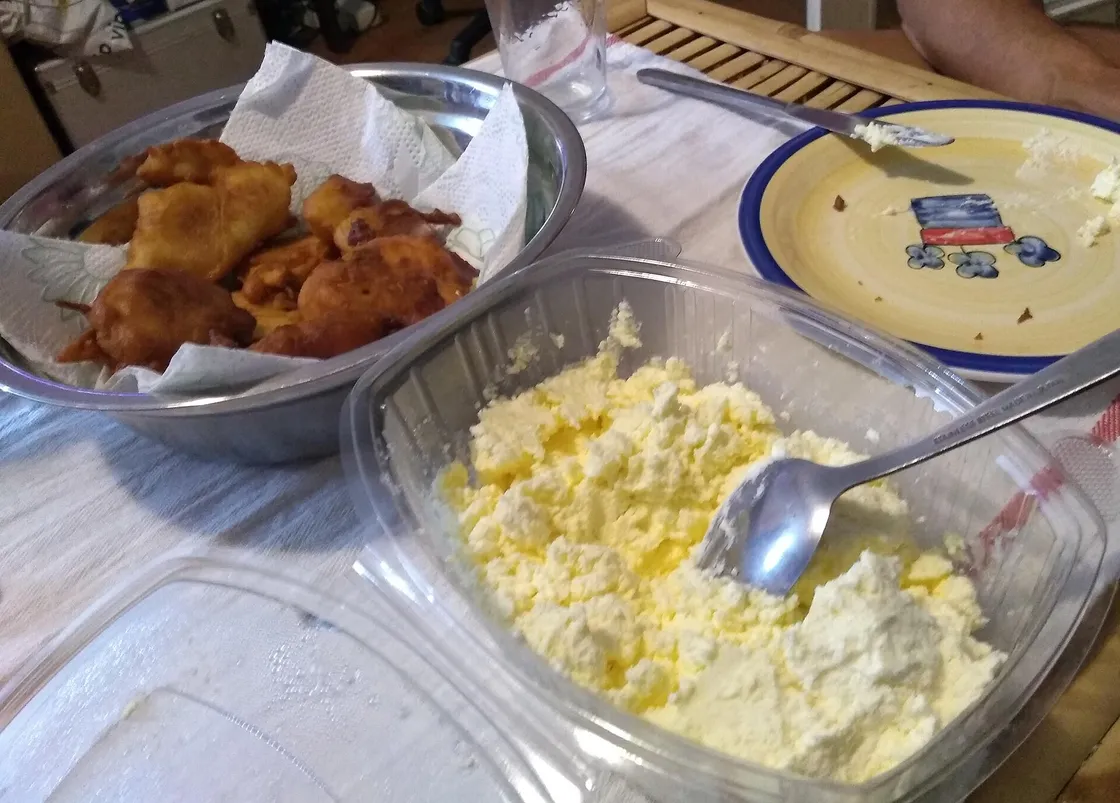
Most huts cook from the same Serbian repertoire, so a few words go a long way. Ćevapi are small grilled minced-meat sausages and pljeskavica is the big grilled patty; both come with flatbread and onion. Kajmak is the salty cream spread served alongside the grill. Pasulj is a bean stew, sarma is cabbage rolled around mince and rice, and gibanica is a cheese pie. Pancakes (palačinke) are the standard dessert. Priganice, the fried dough in the photo below, turn up with kajmak or jam and make a good sweet end to a hut lunch. Čorba is a thick soup, usually the fastest hot thing on a cold day, and proja is a cornbread that often sits in the basket beside the grill. If a menu offers a mixed grill plate, ask the counter how big it is before you order one each, especially if you plan to ski again afterwards.
For drinks, kuvana rakija is hot fruit brandy, sometimes sweetened and spiced, and kuvano vino is mulled wine. Both are meant to be sipped, because at altitude, in boots, they work faster than they seem to. Vegetarians should say so at the counter; grill huts are built around meat.
A ski day in order
Lunch sets the shape of the day. Ski the first two hours while the pistes are firm. Eat before the crush, at about half past eleven, when the huts have just started to fill. Ski the afternoon off the lunch, and finish at a hotel bar or hut at the bottom of the run. The Brzeće gondola’s hours move several times a winter, as our where to stay in Kopaonik guide explains, and if you sleep in Brzeće its last cabin down decides when lunch must be over.
If you’re paying for lift tickets by the day, a long lunch has a real cost; see Kopaonik ski pass for how the tariff is built. If you drive, Belgrade to Kopaonik covers the road and the garage fees that a dinner out in the village adds to, and Niš to Kopaonik the shorter run from the south.
Opening dates and changing tenants
Start with the season: Skijališta Srbije plans to open the 2026-27 season with its Ski opening on 3 December 2026, snow permitting, so huts that depend on the lifts may not be open before then, and some only open once the upper lifts run. Tenants change too: a hut that a directory describes may have changed hands since it was written up, and the menu with it. Ask your hotel which of these huts were open the week before you arrive; the front desk will know, and the answer beats any directory.
Zlatibor or Kopaonik compares the two mountains if you’re still deciding where to eat, and where to sleep.
Photos
Read also

Food · 10 min read
Belgrade Food Tours: What You Eat and Pay
Verified · September 4, 2026Belgrade food tours run 2-4 hours: from €34 per person on a street walk to €165 solo on the operator flagship, €810 for a group of six.

Food · 10 min read
Craft Beer in Belgrade: Bars and Breweries
Verified · August 27, 2026Where to drink craft beer in Belgrade: Dogma and Salto taprooms, Samo Pivo and Liga Pub, what a pint costs in RSD, and how it fits the Jelen lager default.

Food · 11 min read
Fruska Gora Wine Tour: Prices and Booking
Verified · August 18, 2026Karlovci lists 20 cellars, 15 with tasting. Mrdjanin posts 1,000-4,500 RSD. Book ahead, and do not drive after.

Food · 10 min read
Vegetarian and Vegan Food in Serbia
Verified · August 17, 2026How to eat vegetarian in Serbia: the word posno, which dishes are already meat-free, where lard hides, and where to go in Belgrade and Novi Sad.