
Serbia Border Crossings by Car: Hours, Queues and EES
Serbia has eight neighbours and dozens of road crossings: which stay open all night, which close at 19:00, and how EES and hire cars change a drive.
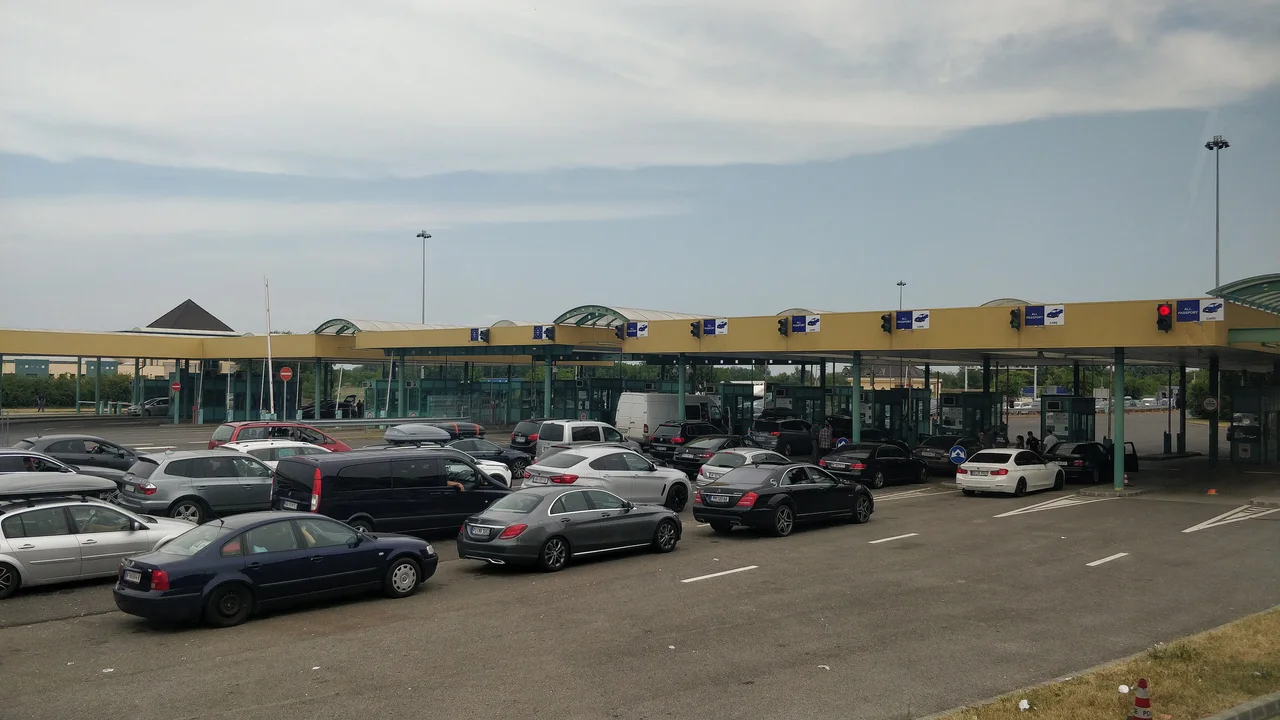
Serbia borders eight places, and for a driver the useful fact is a plain one: the main road crossings run round the clock, and a handful of small ones shut at 19:00. Border-police notices relayed on the Serbian auto club’s live map put the Serbian side of nearly every crossing at about 30 minutes each way. The real wait is what happens on the other side, and that’s where Croatia, Hungary and now the EU’s biometric system make a difference.
Eight neighbours at a glance
Hours below are the ones the Serbian Border Police published through the AMSS road-conditions map when I read it on 21 November 2026; hours do change, so check before a night run. “Round the clock” means 00-24.
| Neighbour | Main crossings for a car | Hours posted | Notes |
|---|---|---|---|
| Hungary | Horgoš, Kelebija, Bački Breg | Round the clock | Horgoš II has been open 24 hours for cars since 1 May 2026, buses and lorries excluded, but only to Serbian and EU, EEA or Swiss passport holders; US, UK, Canadian and Australian drivers use the Horgoš motorway gate |
| Croatia | Batrovci, Šid, Bezdan | Round the clock | Batrovci is the motorway gate; EES and the queues are on Croatian soil |
| Romania | Vatin, Đerdap 1 | Round the clock | Vatin is the gate towards Timișoara; the AMSS list has six Romanian gates, and Nakovo is day-only |
| Bulgaria | Gradina (Dimitrovgrad), Vrška Čuka, Strezimirovci, Ribarci | Round the clock | Gradina is the road to Sofia |
| North Macedonia | Preševo | Not stated on the map | The A1 southbound gate, see driving to Greece |
| Montenegro | Gostun, Špiljani | Round the clock | Check winter conditions on the approach roads before you go |
| Bosnia | Kotroman, Mali Zvornik, Uvac | Round the clock | Kotroman is the Mokra Gora road |
| Kosovo | none, as Serbia sees it | - | A separate rule about stamps |
Gates that close at 19:00
A few small crossings work 07:00 to 19:00 only: Bajmok, Đala, Rastina, Rabe and Bački Vinogradi on the Hungarian border. Most readers of this guide can’t use them at all: they are limited to Serbian citizens and EU, EEA and Swiss nationals, so a US, UK, Canadian or Australian passport gets turned back. On the Romanian border, Nakovo keeps the same 07:00 to 19:00 day, for cars only; Đala on the Hungarian side takes cars only too. Day-only gates are handy on a map and a trap at night: you reach the barrier at 19:30 and the next open gate is a long detour. If you’re driving at night, plan on the big motorways.
Hours move, too. Horgoš II went to 24 hours for cars on 1 May 2026, still for Serbian and EU, EEA or Swiss passports only, so a rule you read in an older forum post may already be wrong.
What the 30 minutes covers
The border-police figure is a snapshot of the Serbian booths. The same notices warn that the time on the neighbour’s terminals has to be added and is often much longer; for the Croatian crossings, the notes say the Croatian terminals always take far more time than the Serbian booths. That’s what happened on Saturday 1 August 2026, when the Bajakovo-Batrovci queue made the news: the Serbian side wasn’t the bottleneck. Our Serbia to Croatia border guide has that day in detail.
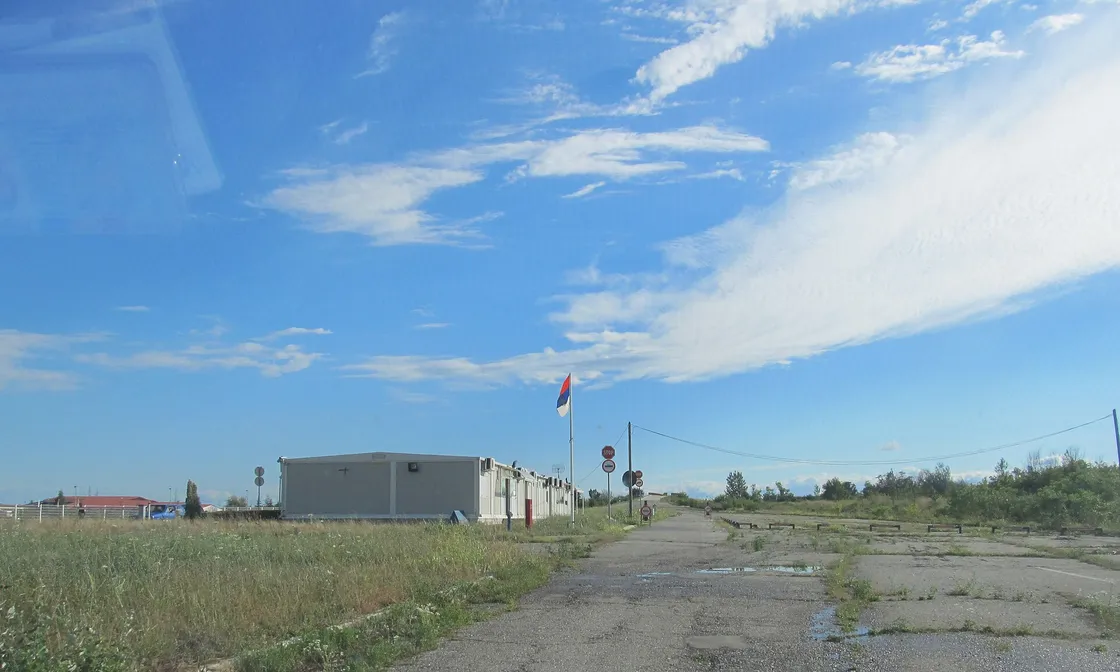
So treat the map as the floor. On a Friday afternoon, a summer Saturday or a holiday week, budget hours, not minutes, and look at the live map of the crossing before you leave rather than the day before. If one gate is jammed, a second gate up the road may be moving faster.
Three through-routes, and the gates they use
Plenty of drivers cross Serbia without stopping, and each through-line chains two borders.
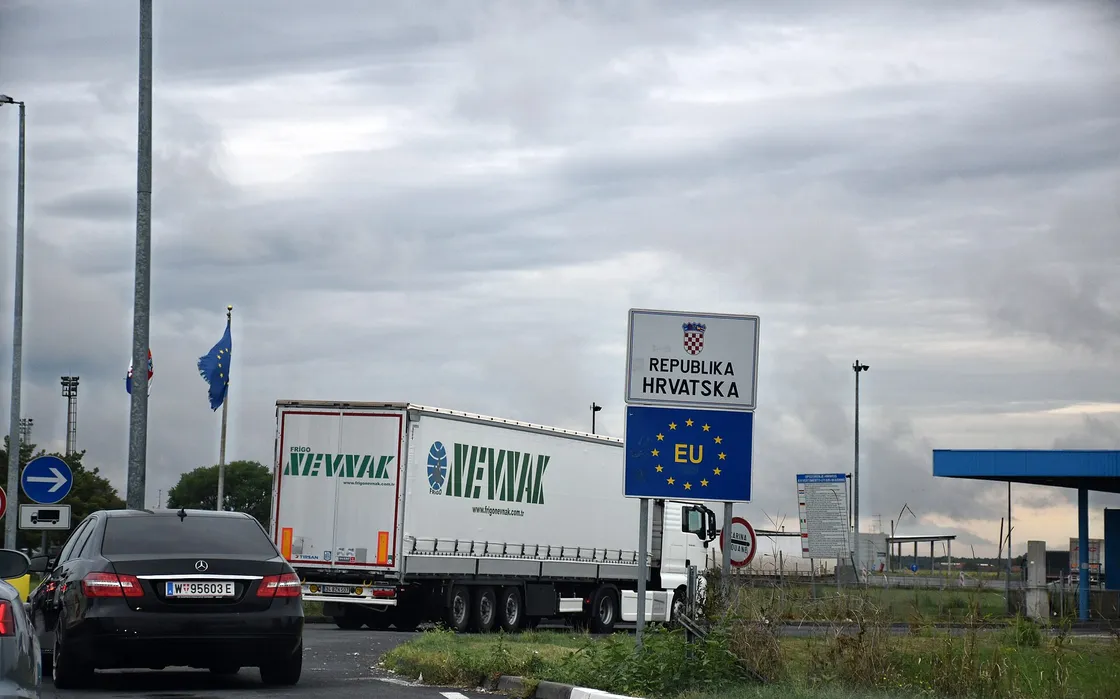
- Western Europe to Greece: in at Batrovci from Croatia, then the A1 south to Preševo and out into North Macedonia. Our Serbia to Greece driving guide prices the tolls and the Preševo exit.
- Hungary to the south: in at Horgoš, Kelebija or Bački Breg, and the same A1 towards Belgrade and Niš. Three gates on one border make this the line where a jammed crossing is easiest to dodge.
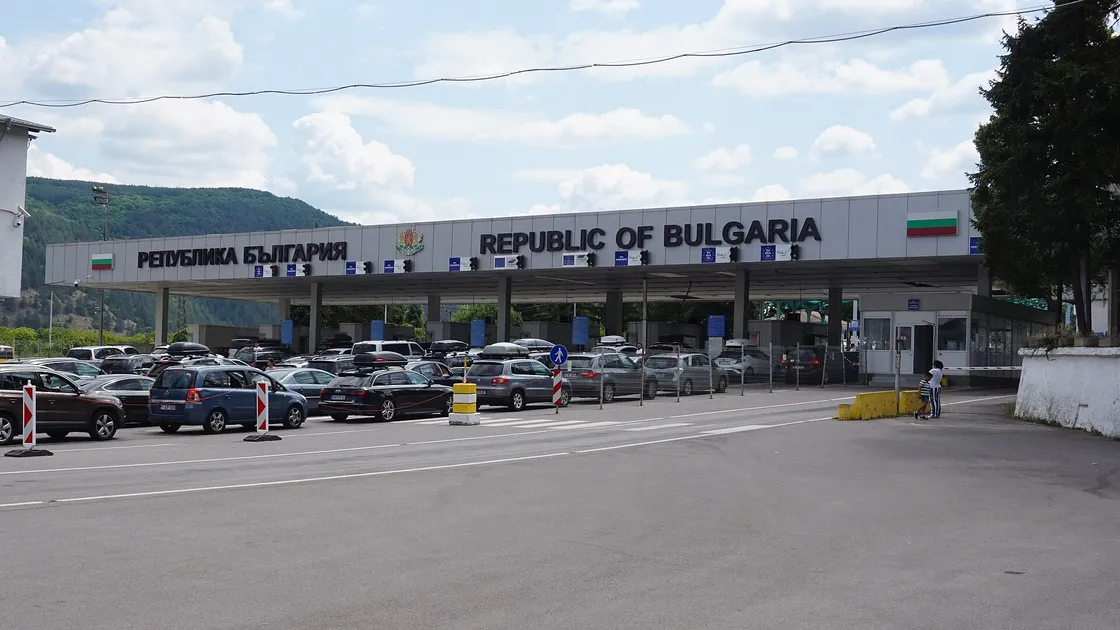
- Towards Sofia and Turkey: in from Croatia or Hungary, out at Gradina near Dimitrovgrad. Gradina is one of four Bulgarian gates on the AMSS list, and the three smaller ones, Vrška Čuka, Strezimirovci and Ribarci, are also open round the clock.
These are long drives rather than day trips, and each border means a passport check on both sides of the line. Keep the passport in reach, not in the boot, and have the car papers in the same pocket. If you rented in Belgrade, the written permission needs to name every country on the route, not just the first one. If you arrive on a visa-free short stay, Serbia’s own entry rules apply when you come in, and your passport matters at every gate on the way out.
EES: four of the eight
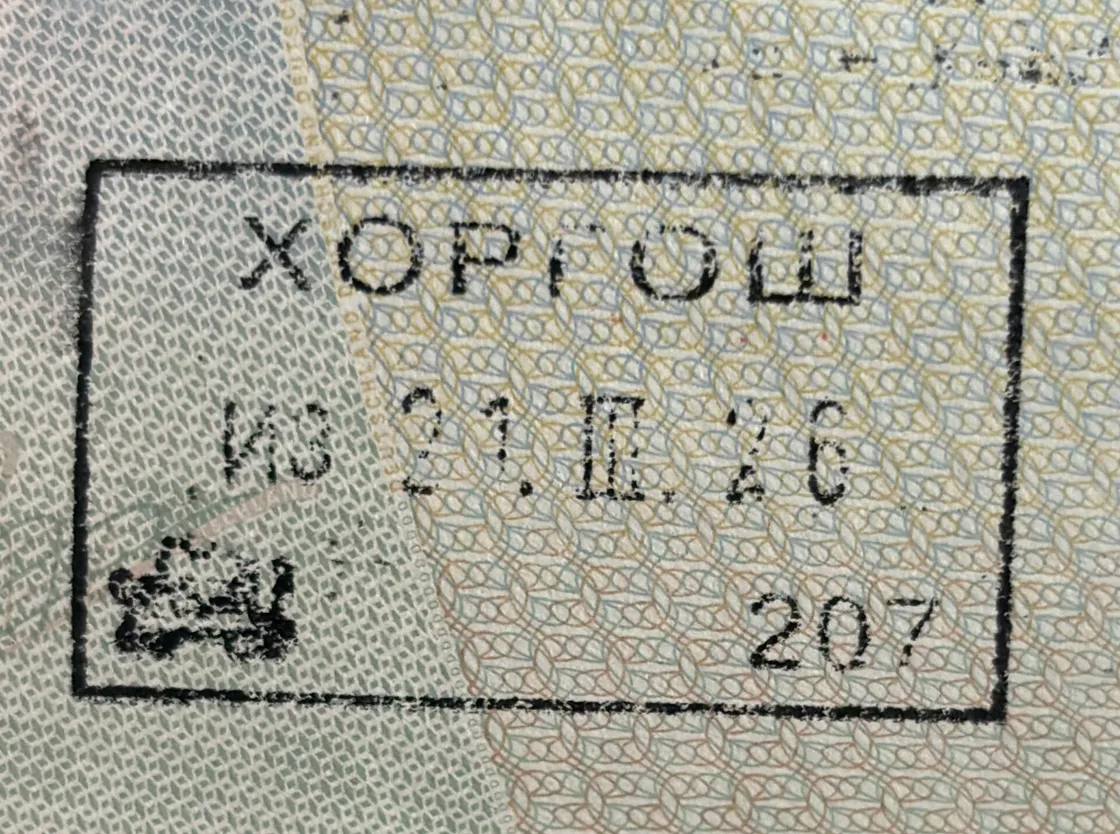
The EU’s Entry/Exit System applies at the crossings with Hungary, Croatia, Romania and Bulgaria, because those countries are in the EU and the system is live at the external border of the EU. It doesn’t touch the crossings with North Macedonia, Montenegro or Bosnia, which are outside the EU, and Serbia itself doesn’t run it. If you’re a US, UK or Canadian visitor on a short stay, expect fingerprints and a photo at your first EES entry into the Schengen area, which may well be one of these crossings, and a face match afterwards. How it plays out for drivers is covered in the guide to the Croatian border, so it isn’t repeated here.
Taking a Serbian hire car across
For a rental, the border is where the contract starts to matter. Taking a Serbian hire car abroad is usually allowed only with the company’s written permission, plus the car’s papers and a valid Green Card, and most suppliers charge for it. Our car rental in Serbia guide sets out what to ask at the desk, and it matters most if your trip crosses into Bosnia, Montenegro or Croatia within the same week. Ask for it when you book, not at the desk on the day. When you compare suppliers, ask the cross-border question first, not last.
Kosovo is a different question
Kosovo has no row of crossings in the table above. Serbia treats that boundary as an administrative line, and the rule that matters is the order of stamps: get into Serbia first, then go south, and don’t reverse it. Serbian rental agreements often leave Kosovo out. The whole thing sits in Crossing between Serbia and Kosovo, and it shouldn’t be learned at the barrier.
A last point on timing: if you can, cross in daylight. A problem with papers is far easier to fix by phone while the car company’s office is open, and a refused crossing at midnight leaves you with no good options nearby.
Five checks for a border day
- Pick the gate by hours: round the clock for anything after dark, and the 07:00-19:00 posts only if you’re sure to arrive in time; the small Hungarian ones, like Horgoš II, take only Serbian and EU, EEA or Swiss passports.
- Open the live map the morning you travel and compare two crossings on the same border.
- Ask the car company for written cross-border permission and carry the Green Card.
- Put mobile data in order before the border: many EU roaming plans still charge extra in Serbia, so check yours before the border; an eSIM can save you a costly surprise on the road.
- For a long drive through the country, driving in Serbia covers tolls, police and winter rules.
Photos
Read also

Before you go · 9 min read
Kopaonik or Bansko: Budget Skiing in Serbia vs Bulgaria
Updated · November 20, 2026Kopaonik or Bansko for a budget ski week: 2026/27 Kopaonik passes against Bansko's last tariff, plus terrain, transfers and season dates.

Before you go · 8 min read
Kopaonik Ski Pass 2026/27: Prices and Where to Buy
Updated · November 19, 2026Kopaonik lift pass prices for winter 2026/27 from the operator: adult day 5,600-6,500 RSD, six days 24,900-27,100, kids, family card and the web shop.

Before you go · 9 min read
Tipping in Serbia: How Much, Cash or Card
Verified · August 9, 2026Tipping in Serbia: about 10% in restaurants, round up cafes and taxis. Cash is standard - card terminals rarely add a tip. What to leave, by situation.

Before you go · 10 min read
Belgrade or Budapest: Which City Break?
Verified · August 8, 2026Belgrade or Budapest: Budapest wins on flights, baths and sights, Belgrade on free transit and price. Populations, tickets and connections compared.