
Opening a Bank Account in Serbia as a Foreigner
How a foreigner opens a bank account in Serbia: the one-year non-resident rule, what banks ask to see, the basic-account right and moving money out.
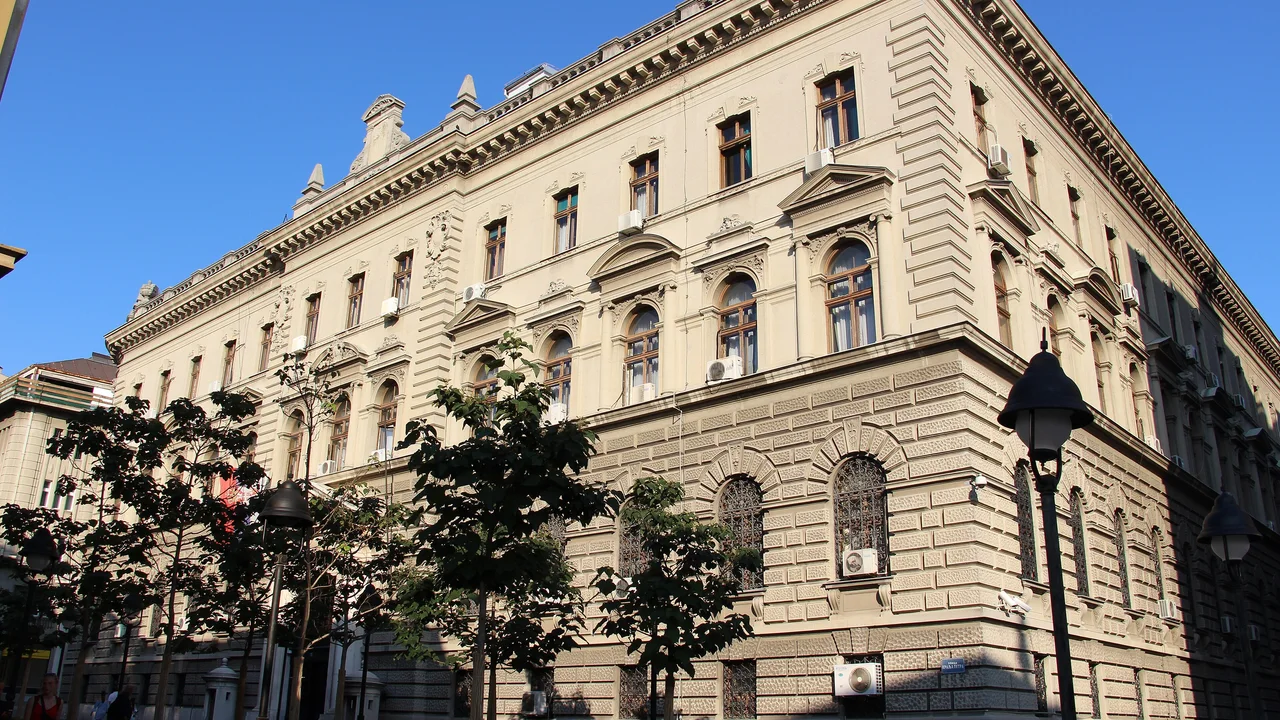
Yes, a foreigner can open a bank account in Serbia, and the government’s own portal lists what the bank is allowed to ask for. How easy it is depends first on how long you’ve been in the country and which documents you can put on the counter, and only then on the branch. This is a general guide, not legal or financial advice, and it rests on the Serbian government’s portal for foreigners, which I read on 21 November 2026. Banks apply their own checks on top, so confirm your case with the branch before you travel.
Do you even need one?
A tourist doesn’t. A foreign card works in Serbian shops and cash machines, and our cost of living in Belgrade guide shows what a month of everyday spending looks like. A local account starts to matter when you rent for months, pay utilities in dinars or receive local income, and when a landlord or an employer wants an IBAN with a Serbian bank. Otherwise a travel card and a backup card cover a short stay with fewer forms.
One year decides which kind of account you get
Under the foreign-exchange rules summarised on the government portal, a foreigner is treated as a non-resident during the first year of stay. After more than a year on a residence permit or a work visa, you become a resident. The bank has to be told when that happens: it closes the non-resident account and opens a resident one in its place. If you’re coming on a short stay or testing the country for a few months, you’re in non-resident territory, and that’s the case this guide mostly covers. If you hold a permit, our Serbia residence permit guide explains how you get one.
The portal’s wording is about law, not about a bank’s appetite. A rule that lets a bank open an account doesn’t oblige it to do it for you, and that is why the same passport can get a different answer at two different branches.
What the bank asks to see
For a non-resident individual the portal lists a short set:
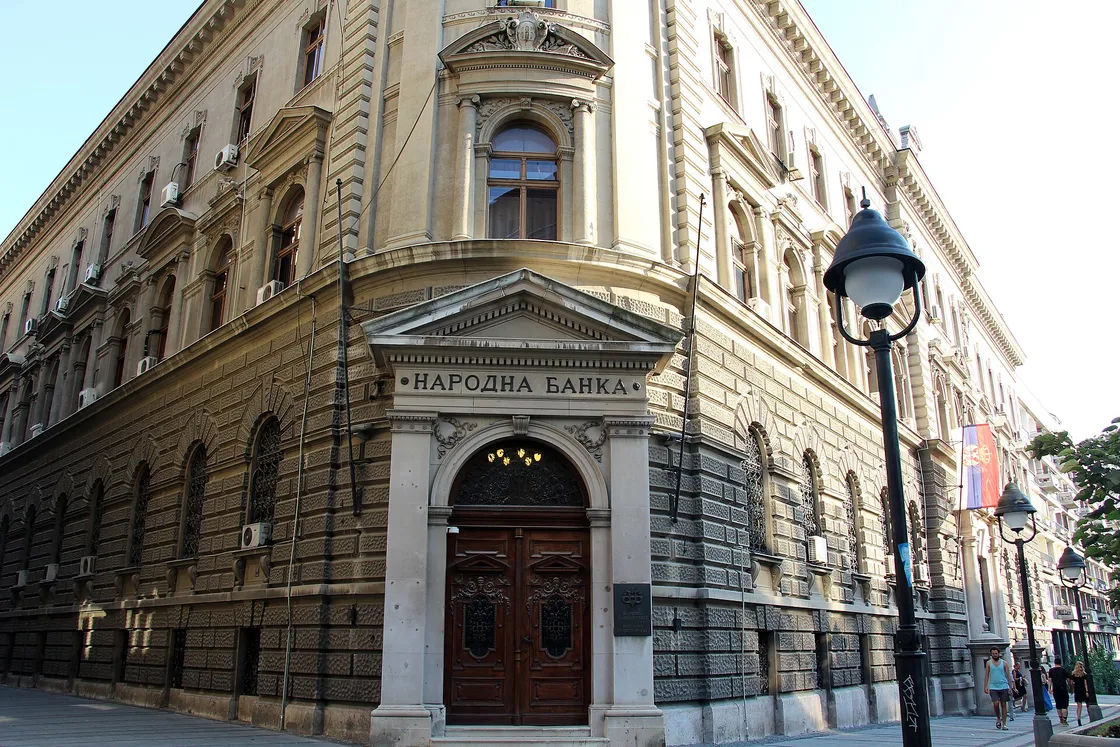
- a request to open the account, with your name, address of residence or stay, and the number of your identity document;
- an identity document: a passport, or another valid document with a photo;
- a document showing where you live or stay, covering the last year.
That third item is the hard one. A few hotel nights give you little to show for a year, so the obvious document to bring is the registration of your stay in Serbia, the “white card” that a landlord or host files; our residence-permit guide describes it. If you rent, you can add the lease. If you don’t have an address yet, say so before you queue: the question is what the branch will accept, not what the regulation allows.
Banks must also run anti-money-laundering checks when they open, run and close an account, and the portal repeats that a non-resident account is not exempt. In practice that means questions about why you want the account and where the money comes from, so bring the answers in writing: an employment contract, a client invoice or a bank statement from home.
Which accounts are on offer
The portal says the bank may open a current account, a deposit account or an “other” account with a stated purpose, in dinars or in foreign currency. Foreign-currency accounts are limited to currencies traded on the Serbian exchange market. You can also authorise someone else, by power of attorney, to sign the framework agreement and to manage the account for you, which helps if you’re abroad when the account is opened.
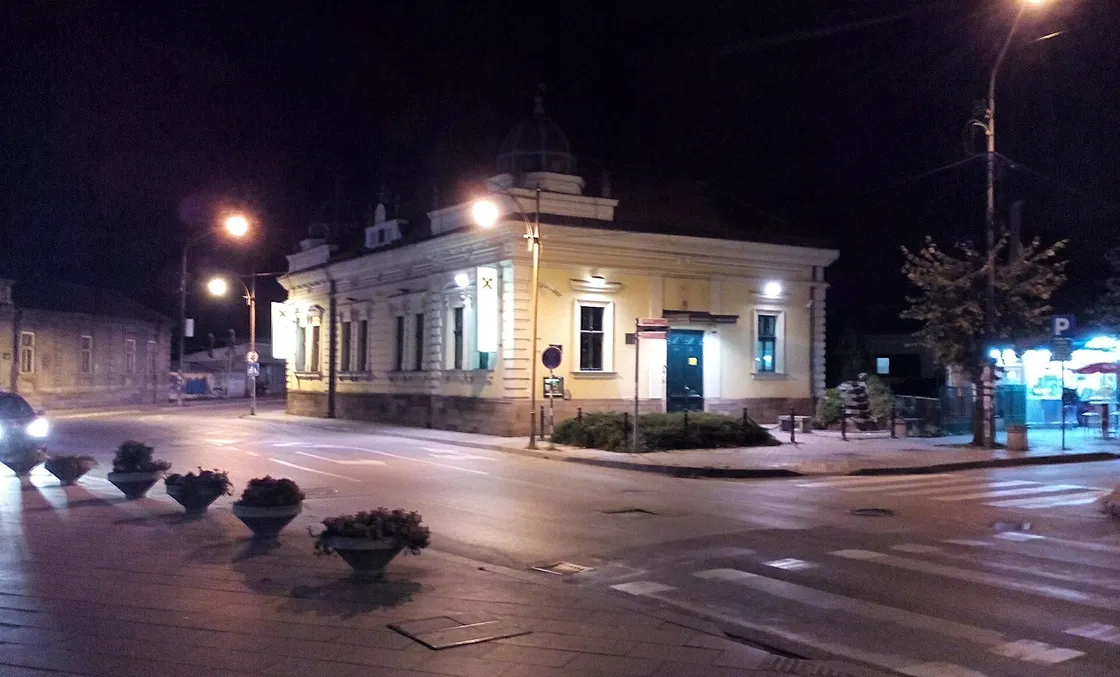
On the practical side, one bank’s own help page describes opening a resident account in a branch or online through its app with a valid ID. Online opening is described for residents, so as a newcomer expect to go to the counter. Ask the branch whether it has a package for non-residents, and get its current terms in writing before you sign anything.
The right to a basic account
For people who live in Serbia lawfully and have no payment account, the portal points to a separate rule: on request, the bank must let them open and use a payment account with basic services. That’s a payment-services rule, not a foreign-exchange rule, and it’s meant for people who would otherwise be left without any account. It doesn’t promise a card with every feature. Ask for it by name if you’re refused a standard account and your residence is in order.
Money in and out
The portal says no limit is set in the foreign-exchange rules on the sums a non-resident can receive from abroad, or move abroad from a Serbian account. To send money out, though, you first settle any Serbian tax obligations and hand the bank a certificate from the tax authority saying so; transfers abroad from a non-resident savings account go through without that certificate. The banks, though, look at the origin of funds and the purpose of every transfer, as the AML rules require, and they may ask for documents. A transfer that is large for the account’s history gets questions. Salary and freelance income from abroad usually arrive with an obvious paper trail; savings moved in from another country need an explanation.
The order that saves a second trip
- Register your address and keep the confirmation. Registration is a duty within 24 hours of arrival anyway, as our residence-permit guide explains, so you may already hold the paper; a hotel files it for you, while a private landlord or host has to do it, so ask for the stamped copy.
- Bring your passport, the confirmation, a lease if you have one, and a one-page note on why you need the account and what will be paid into it.
- Ask whether the branch opens non-resident accounts for individuals and for which purposes: a branch may accept only a short list.
- Have a Serbian mobile number ready, since banking apps send codes by SMS. A travel eSIM gives you data, not a Serbian number, so buy a local prepaid SIM with your passport at an operator shop; SIM cards and eSIMs in Serbia explains how.
- If you’re about to apply for a permit, keep in mind that your status changes after a year, and tell the bank when it does.
Fees, timing and the rules in force
Fees, waiting times and what one branch says on one day vary from bank to bank, so ask before you queue. Ask the branch for its own checklist for individual non-residents; the published ones we found were written for companies and embassies. The legal texts the portal cites are in versions dated 2015 to 2023, and rules are amended, so check the current text with the bank. If you need health cover for a residence application, travel insurance in Serbia covers the short-stay side, and for the budget that will run through the account, start with living in Belgrade as a digital nomad.
Photos
Read also

Relocation · 7 min read
Healthcare in Serbia for Foreigners: RFZO, Clinics, Cover
Updated · November 26, 2026How healthcare works for foreigners in Serbia: emergency cover for visitors, RFZO contributions for residents, private clinics and what an exam costs.

Relocation · 9 min read
Cost of Living in Belgrade
Verified · August 10, 2026What Belgrade costs in 2026 for nomads and expats: rent by area, food, free transport, coworking and a realistic monthly budget in euros and dinars.

Relocation · 9 min read
Living in Belgrade as a Digital Nomad
Verified · July 4, 2026Belgrade for digital nomads in 2026: fast cheap internet, free transport, coworking, best areas to live, SIM and visa basics, and the honest trade-offs.

Relocation · 9 min read
Serbia Residence Permit (Boravak): A Guide
Verified · July 4, 2026How Serbia temporary residence (boravak) works in 2026: the grounds, the 2023 single-permit reform, how to apply, timelines and what to check with MUP.