
Healthcare in Serbia for Foreigners: RFZO, Clinics, Cover
How healthcare works for foreigners in Serbia: emergency cover for visitors, RFZO contributions for residents, private clinics and what an exam costs.
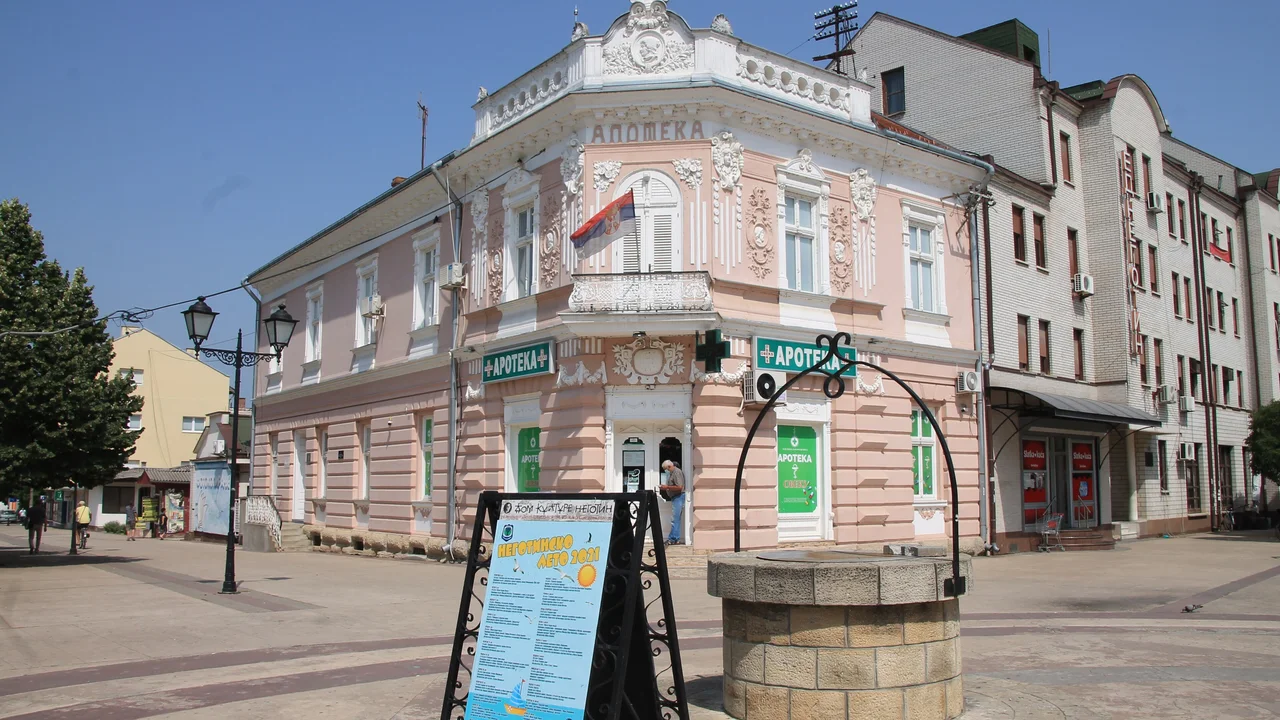
If you’re staying a few weeks, Serbia’s public system will treat an emergency, charge you for it unless your country has an agreement that covers it, and do little else. If you move here and work, it can cover you like any resident through monthly contributions. Between those two, there’s a gap that private clinics and private insurance fill. This guide is a general orientation, not medical, legal or insurance advice. It follows welcometoserbia.gov.rs, the government’s site for foreigners, as it stood on 21 November 2026, and it flags what to confirm with the health fund.
Visitors: emergencies only
The portal says foreigners on a temporary stay have the right to emergency medical care, and it adds that how the right is exercised differs from country to country. Serbia has health-insurance agreements with 25 states and one province; the portal links a page with the list. If you’re a tourist, read the entitlement as access to emergency treatment, not as free treatment: whether you pay depends on your country’s agreement with Serbia, and our travel insurance guide shows how narrow even the British one is. It doesn’t cover the dentist, a follow-up visit or a flight home. The short-stay side, including the ambulance number 194, is in travel insurance in Serbia.
Residents: how the state insurance works
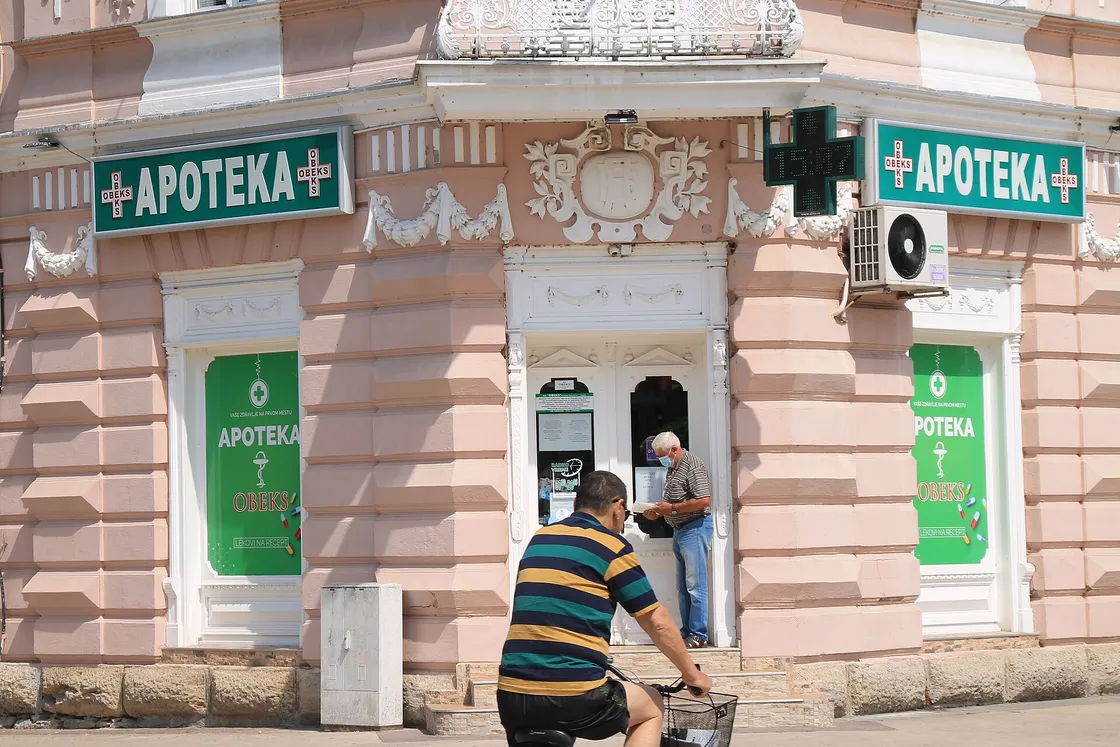
Once you live and work here, the picture changes. The state system runs on compulsory insurance, paid through monthly contributions to the Republic Health Insurance Fund, known by its initials RFZO. According to the portal:
- Employees: the employer pays the contributions and has to get your health card validated once you’re registered as insured.
- Entrepreneurs: you pay yourself, and you’re expected to register at your local RFZO office and have the card validated.
- Service contracts: where you work under a contract for services, the contracting company owes the contributions.
- Family: a spouse with no other basis can be covered through the insured person, and children under 18 are covered automatically; after 18, cover can continue up to age 26 in the cases the portal lists.
The condition that people overlook is regularity. The portal stresses that contributions have to be settled monthly, because the card is validated only while they’re paid, and the card is what opens the door at a state clinic. If you’re an employee, the practical check is simple: ask HR for proof that you’ve been registered as insured, and look at the card.
What the state card covers
On the portal’s description, state insurance covers treatment in state health centres, outpatient clinics, hospitals and specialist clinics, including all procedures, interventions and operations for which a treatment exists in Serbia. That’s broad as the portal words it. The portal says nothing about how long you wait for an appointment, so ask the clinic before you plan around it, and use a private clinic if speed matters more than cost.
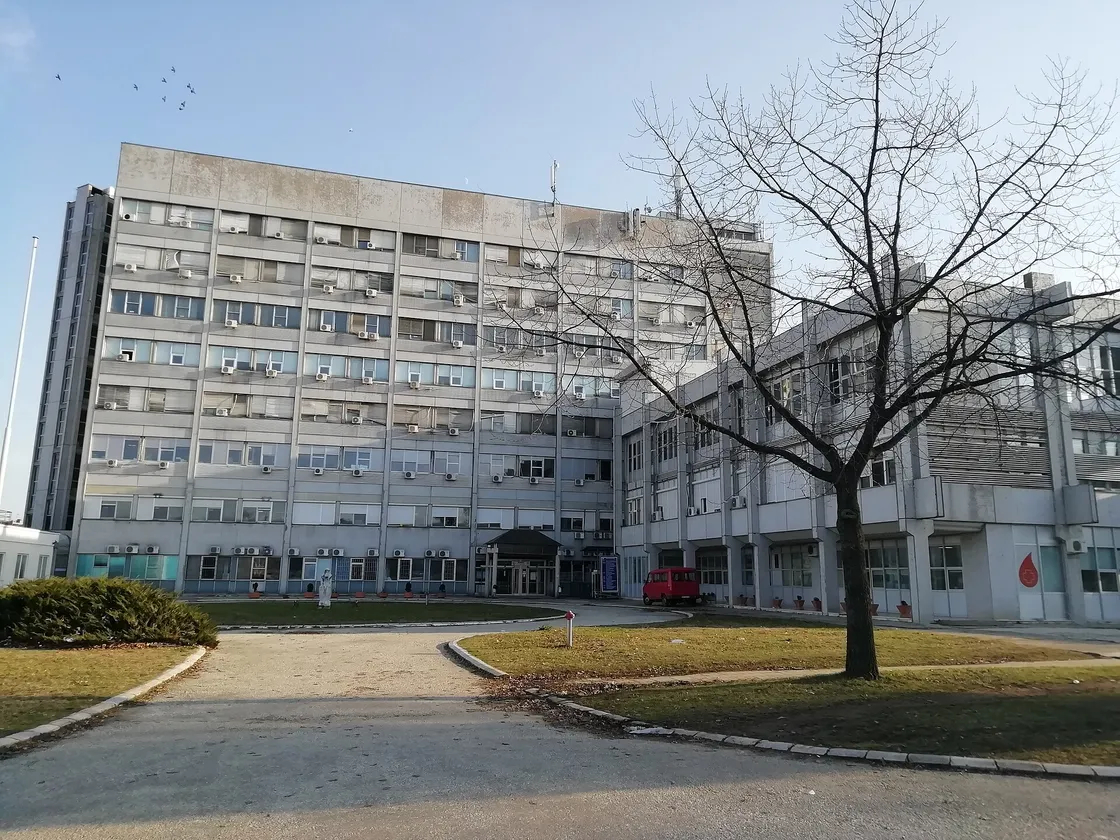
If you hold a residence permit on a basis that isn’t employment, such as study, family or remote work, the portal doesn’t say how you get into the RFZO system. Ask your RFZO branch what applies to your ground before you assume either way. Our residence permit guide explains the grounds.
Private clinics, and what an exam costs without cover
The portal’s description of the private side is brief: private clinics and hospitals offer the whole range of services, and you can pay either through an additional insurance policy or at standardised prices for each examination and procedure. If you already have insurance abroad, the portal’s first step is to check whether your home insurer has an office in Serbia.
For a concrete figure, this guide uses a state clinic’s list for patients outside the fund, since no current private price list turned up. The Belgrade obstetrics and gynaecology clinic Narodni Front publishes a list for services that aren’t covered by the health fund, applying from 1 January 2026, and a specialist examination on it is 6,500 dinars, about 55 euros. It’s one clinic and one specialty, so read it as an illustration of the mechanism: an uninsured patient pays the list price, while an RFZO-insured patient doesn’t for covered services. Private clinics set their own tariffs, so ask for the price in writing before the appointment. If you buy a private policy, check three lines before you pay: whether it covers hospital stays, whether outpatient visits are included or capped, and how it treats a condition you already have. Cheap policies tend to stumble on the third.
Partners and grown-up children
The portal’s family rule has an age edge that matters if you’re moving with older children. Children under 18 are insured automatically as family members. After 18, a person can have guaranteed cover either as part of a family in which one member is insured, or as someone without regular income, and the portal gives 26 as the age to which that protection runs. A spouse can be covered through the insured partner if they have no basis of their own to pay contributions. Whether your particular situation counts is a question for the RFZO branch, which can read your documents.
If something goes wrong
For an emergency, call 194 for an ambulance, as the government’s own announcement confirms; save the number in your phone before you need it. At the hospital, keep your passport with you, ask for the discharge papers in writing, and keep every invoice and receipt: your own insurer will want them, and so will the clinic if there’s a dispute later. If you’re visiting from a country with a health agreement, take the form or card your home system issues, and ask your insurer before you travel which of the 25 agreements applies to you.
Cover for the residence file
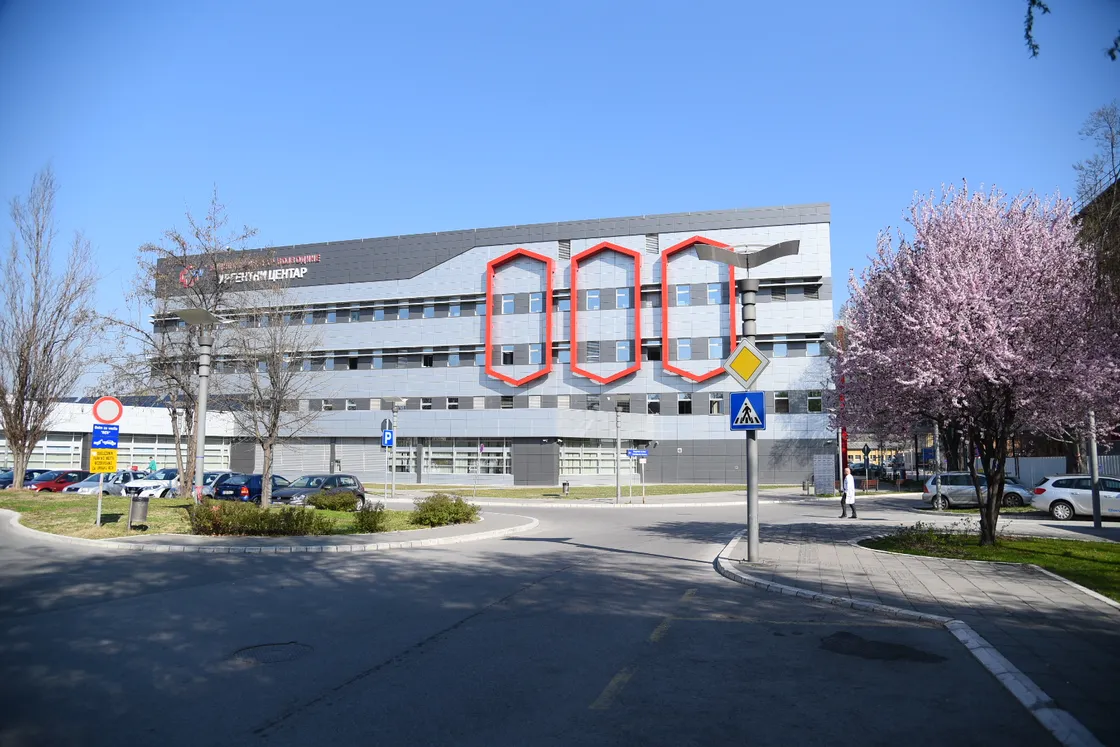
Most newcomers meet health insurance for the first time at the Ministry of the Interior. When you apply for temporary residence, the ministry asks for proof of cover; the options, as we checked them in September 2026, include a foreign policy, a European health card or equivalent for nationals of countries with an agreement, a Serbian health card, or proof of funds or a guarantee to pay for emergency care. The ministry’s list asks for cover for the whole planned stay but sets no minimum sum. A cheap policy that satisfies the file isn’t necessarily one that pays for an operation, so read the limits.
Choosing cover when you arrive
- Employed in Serbia: confirm your registration, and get the card.
- Self-employed: register with your RFZO office and set up the monthly payment from a Serbian account (opening a bank account in Serbia).
- Remote worker or on another ground: ask the RFZO whether you can join, and meanwhile hold a private policy that covers hospital treatment in Serbia.
- Planning a long stay: check whether your home policy has an office here and whether it covers a permanent address abroad.
- Before any treatment: ask the clinic for a written price.
For anything the portal leaves open, the RFZO branch and your insurer have the final word. Rules change, so confirm the current text with the fund. The monthly budget that sits around all this is in cost of living in Belgrade.
Photos
Read also

Relocation · 7 min read
Opening a Bank Account in Serbia as a Foreigner
Updated · November 24, 2026How a foreigner opens a bank account in Serbia: the one-year non-resident rule, what banks ask to see, the basic-account right and moving money out.

Relocation · 9 min read
Cost of Living in Belgrade
Verified · August 10, 2026What Belgrade costs in 2026 for nomads and expats: rent by area, food, free transport, coworking and a realistic monthly budget in euros and dinars.

Relocation · 9 min read
Living in Belgrade as a Digital Nomad
Verified · July 4, 2026Belgrade for digital nomads in 2026: fast cheap internet, free transport, coworking, best areas to live, SIM and visa basics, and the honest trade-offs.

Relocation · 9 min read
Serbia Residence Permit (Boravak): A Guide
Verified · July 4, 2026How Serbia temporary residence (boravak) works in 2026: the grounds, the 2023 single-permit reform, how to apply, timelines and what to check with MUP.